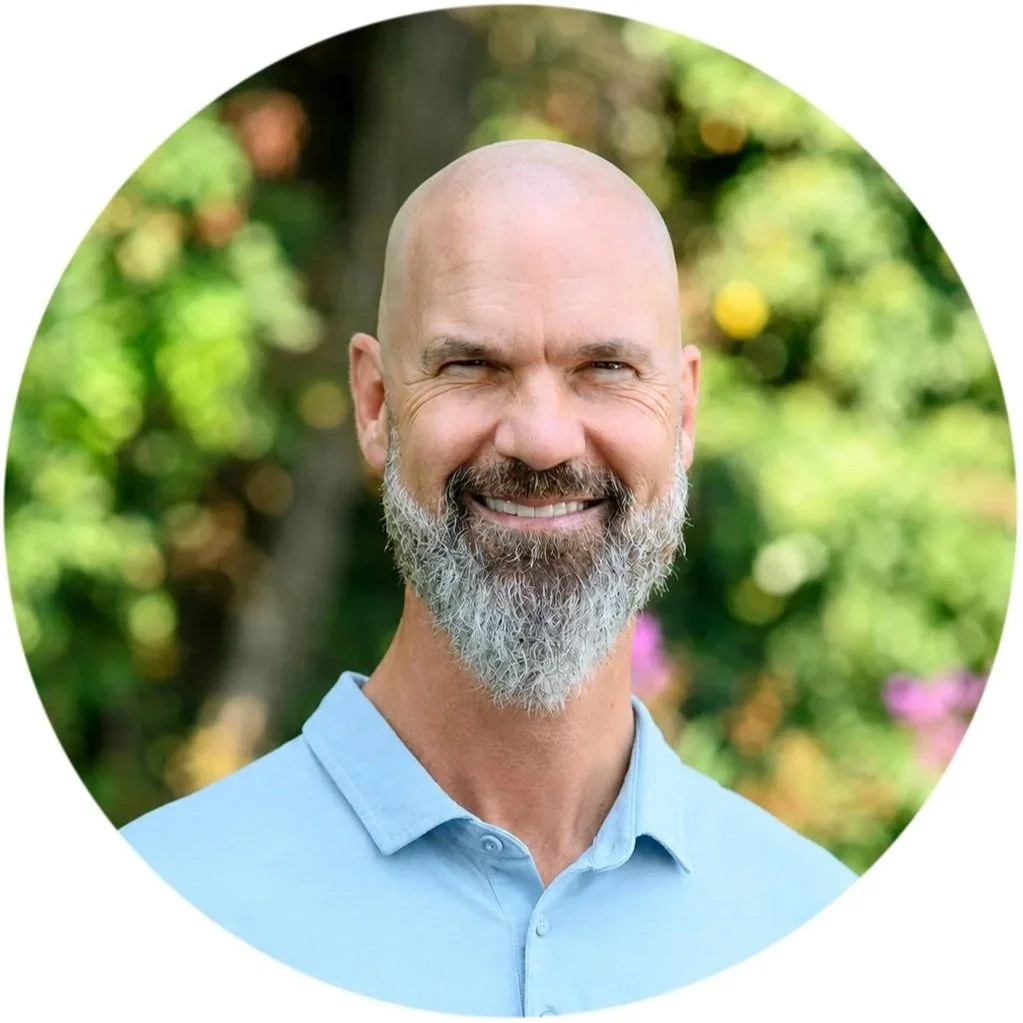
Victor Barbetti, Ph.D.
Clinical Psychologist
Psychotherapy can relieve suffering and address immediate problems, but its possibilities extend much further. Therapy can help us become more conscious of how we are living, understand the forces that have shaped us, and gain greater freedom to create lives that feel genuinely our own.
My approach to therapy is grounded primarily in existential, humanistic, and depth psychology. Rather than beginning with the assumption that something is “wrong” with a person, I am interested in understanding their lived experience: How did you come to see yourself and the world this way? What relationships, experiences, expectations, and assumptions have shaped you? What patterns keep repeating? Where do your thoughts, feelings, values, desires, and behavior fit together—and where are they in conflict?
Over time, we all develop stories about who we are and how life is supposed to work. Some of these stories help us navigate the world, and others are inherited from our families, relationships, religions, cultures, or earlier versions of ourselves. We often continue living according to these scripts long after they have stopped serving us. Therapy provides an opportunity to slow down, examine our preconceived notions, and ask a deceptively simple question: Is the life I am living congruent with who I am becoming?
I see psychological health partly as an increasing movement toward congruence, which is to say: greater alignment among what we know about ourselves, what we value, and how we actually live. This does not mean eliminating suffering. Suffering is part of being human. We experience loss, uncertainty, conflict, disappointment, limitation, and eventually death. We also sometimes intensify our own suffering through attachment, avoidance, fear, shame, old relational patterns, and resistance to realities we cannot control. Therapy can help us discern between what must be carried forward, what can be changed, and what we may finally be ready to release.
My role as therapist is not to determine what another person's life should look like or what choices they should make. My role is to help clients become more aware of the patterns, assumptions, unconscious influences, and possibilities already present in their lives. As these become more visible, we gain greater freedom to decide what we want to hold on to and what we want to change. Sometimes growth involves accepting something we don’t want to admit. Sometimes it means setting a boundary, leaving an unhealthy situation, repairing a relationship, changing a longstanding behavior, grieving what cannot be recovered, or allowing ourselves to acknowledge a desire or possibility we have been too afraid to consider.
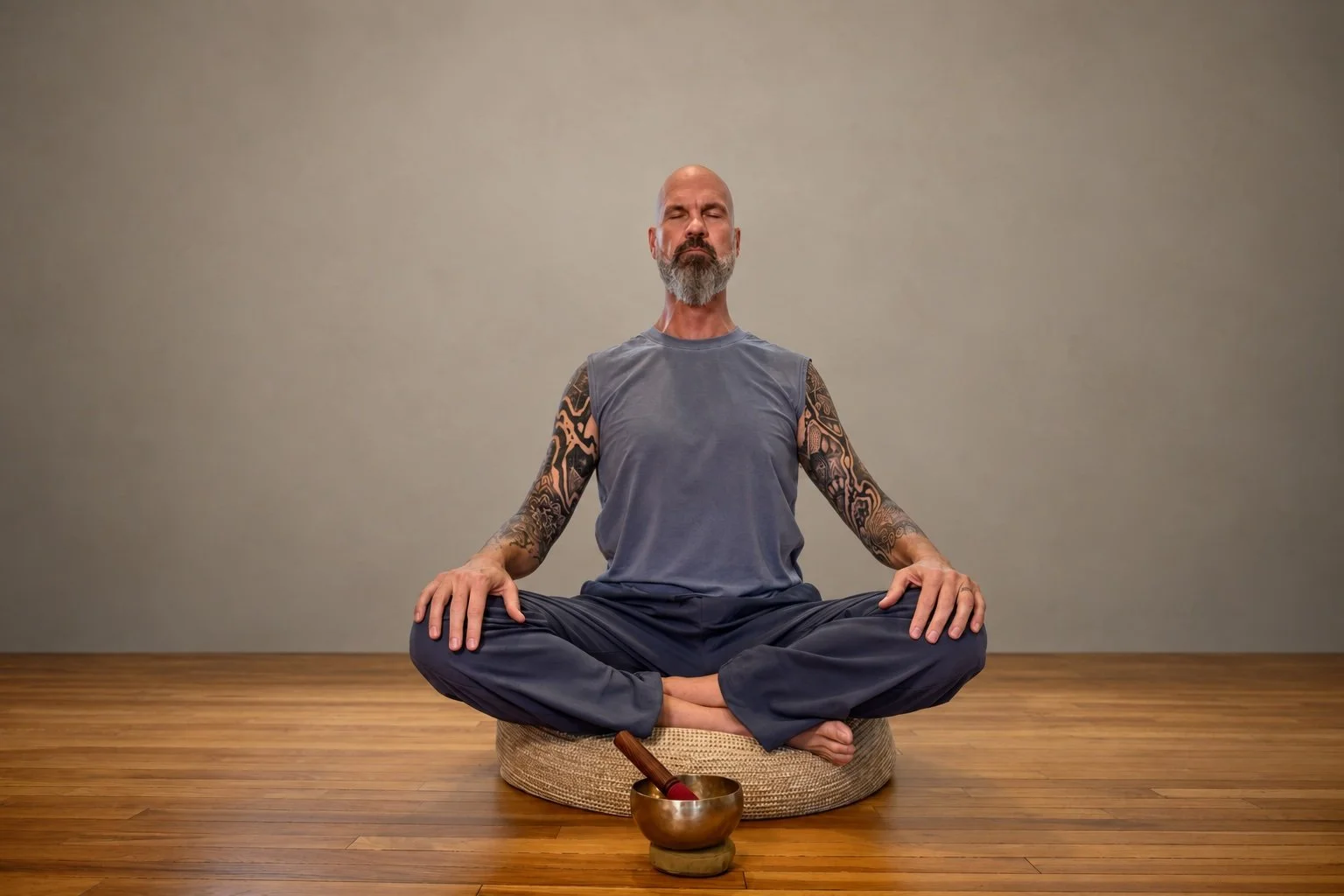
I particularly enjoy working with individuals facing a wide range of concerns, including anxiety, depression, life transitions, personal growth, and difficulties within relationships. I welcome couples across the full spectrum of relationship structures, from monogamy to consensual and ethical non-monogamy. My particular clinical interests also include men’s issues and masculinity, kink-affirming and sex-positive therapy, and the psychological dimensions of yoga, meditation, and other embodied and contemplative practices. I approach these areas with curiosity and openness, resisting any impulse to prescribe, judge or pathologize, while remaining clinically interested in questions of agency, consent, responsibility, ethics, and how these can support or limit an individual’s freedom, health and well-being.

I am also deeply interested in the ways creativity, ritual, art, music, movement, nature, spirituality, and altered states of consciousness can contribute to psychological life. My work has been shaped by thinkers and teachers including Carl Jung, Viktor Frankl, Carl Rogers, Rollo May, Maurice Merleau-Ponty, Robert Romanyshyn, Alphonso Lingis and others who have taken seriously the questions of what it means to be human and how we might live meaningful lives.
Underlying all of this is a holistic understanding of psychological well-being. We are embodied beings, and our physical health, relationships, sexuality, work, environment, habits, communities, histories, and sense of meaning continually interact. Psychological suffering cannot always be understood by looking at symptoms in isolation. Sometimes we need to understand the larger life in which those symptoms are occurring.
Ultimately, I believe each person must become the author and inhabitant of their own life. We cannot choose everything that happens to us. Biology, family, culture, circumstance, loss, and other people profoundly shape the materials with which we begin. But within those conditions, possibilities remain. Therapy can help us recognize where we have become stuck, understand what keeps us there, and develop the awareness, courage, resilience, and freedom to choose a different way forward that feels authentic and consistent with our life path. My hope is that my clients become increasingly capable of recognizing what matters to them, taking responsibility for the life that is theirs, and living it with greater awareness, connection, meaning, and balance.
Member and Past President: Greater Pittsburgh Psychological Association
Member: Pennsylvania Psychological Association
Member: American Association of Sex Educators, Counselors, and Therapists (AASECT)