

Strength Doesn't Have to Mean Silence
/
Rethinking Men's Mental Health, Vulnerability, and the Courage to Seek Support
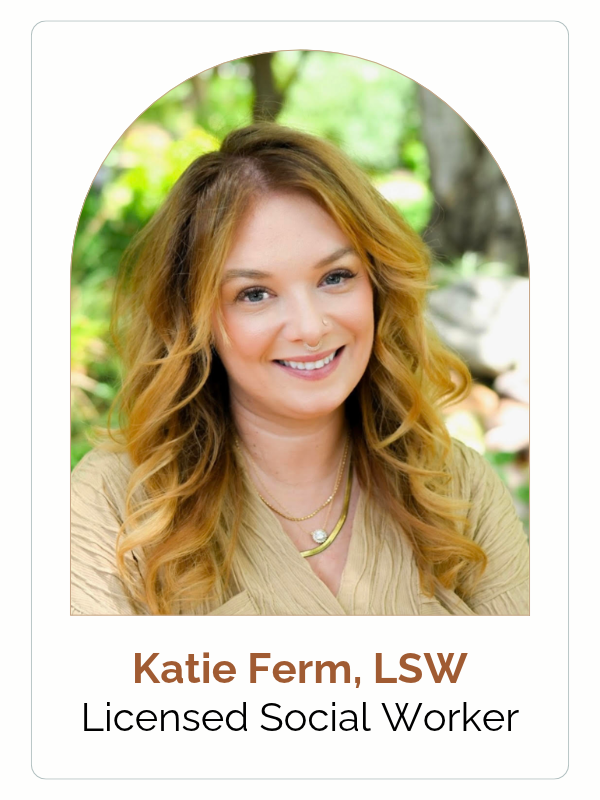
Written by: Katie Ferm, LSW, Licensed Social Worker, She/Her/Hers
For many men, the message has been there since childhood: Be strong. Push through. Keep it together. Handle things on your own.
But what happens when strength becomes synonymous with silence?
Mental health is an important part of our overall well-being, yet expectations surrounding masculinity can sometimes make it difficult for men to recognize their emotions, express vulnerability, or reach out for support.
At The Village, we believe that emotional well-being is part of being human, and that everyone deserves space to feel, heal, and be heard.
We invited Village therapist Katie Ferm, LSW, to share her clinical perspective on the challenges men may face when it comes to emotional expression, the importance of connection, and what it truly means to be strong.
When Strength Means Holding Everything In
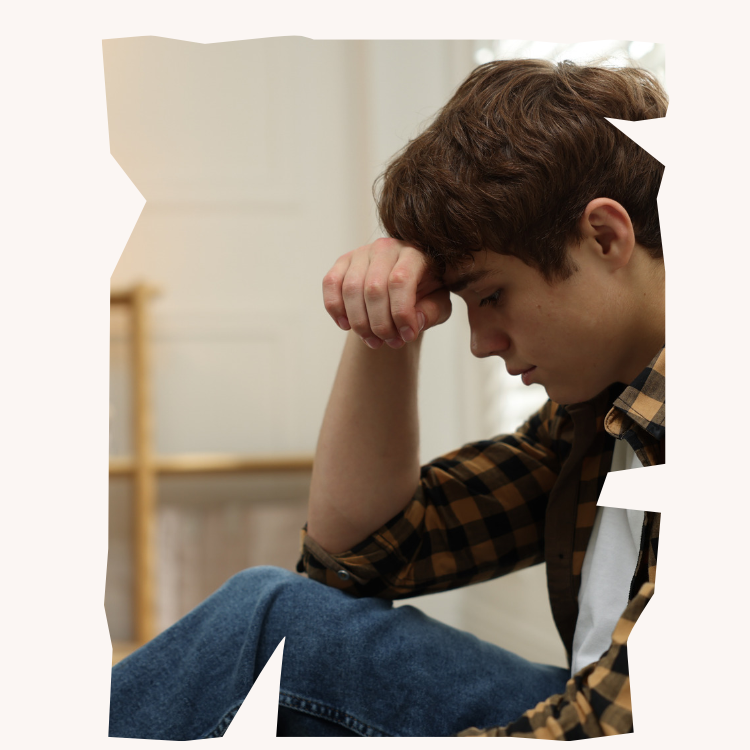
Many boys and young men grow up hearing that they should be strong, stay in control, and handle difficult situations independently. Over time, these expectations can shape how they understand and respond to their own emotions.
My clinical experience has shown that when boys and young men are taught to “be strong” or “handle things on their own,” it can negatively influence their ability to recognize their own feelings, let alone process them in adaptive ways.
This, in turn, can lead to negative impacts on mental health overall, as well as the possible development of maladaptive coping strategies.
Recognizing the Signs of Emotional Struggle
Emotional struggles don't always look like sadness. Sometimes, signs of stress, anxiety, depression, or emotional overwhelm can appear in less obvious ways.
Less obvious signs that a man may be experiencing mental health challenges can certainly vary from person to person. However, many of the signs I have observed in my own clinical practice include increased irritability, isolation from loved ones or peers, increased use of maladaptive coping strategies, and an increase in dissociative behaviors, such as feeling disconnected from themselves and their emotions.
These all function as barriers to men leading happier, healthier lives.

Breaking the Stigma Around Asking for Help
For some men, seeking mental health support can feel uncomfortable or unfamiliar, particularly when vulnerability has been viewed as something to avoid.
For a long time, our culture has not been particularly open to or accepting of men's mental health needs or struggles. Something I feel is important to remember is that men need support, too.
Despite having more systemic privilege than other groups, men can still struggle, feel vulnerable, and be significantly impacted by the relationships and events occurring around them.
To men who are hesitant to seek support for their mental health, I want them to know that there are safe spaces where they can learn to feel more aligned with themselves and improve their quality of life.
Very few things in life are truly all-or-nothing. Expecting men, or society as a whole, to operate under the standard that men’s mental health is unimportant or unnecessary is not only unrealistic but also harmful.
The Importance of Connection and Community
Connection is an essential part of emotional well-being. When men feel unable to share their experiences or struggles, isolation can become another weight to carry.

Humans, including men, are generally social by nature and benefit psychologically from connection and community. Sure, the amount of connection needed may differ from person to person, but overall, when we are isolated, we tend to burden ourselves with carrying our struggles alone, which can lead to unnecessary suffering and/or functional impairment.
When we create safe spaces for men to come together and develop a sense of community, we create opportunities for common ground, genuine understanding, stress relief, and improved coping.
Redefining What Strength Really Looks Like
Strength and vulnerability are often treated as opposites. But acknowledging difficult emotions, allowing ourselves to be seen, and asking for support can require a different kind of courage.
It is true that men have long been taught that vulnerability is a sign of weakness. I would like to challenge that concept.
When we look at other cultures throughout history, we see that men and the various rituals they participated in were not always rooted exclusively in stoicism and strength. In fact, many of these traditions involved men's emotions and values, such as honor, sacrifice, love, and community.
To be vulnerable is to acknowledge and accept that life will not always function as we wish it would, and that we may have very real, genuine human responses to these challenges, disappointments, and losses. To be vulnerable means to allow ourselves to be unguarded. That takes courage.
When we acknowledge our emotions, allow ourselves space to process them, and invest in our healing and growth, vulnerability has the capacity to become a profound guide toward healing and an improved quality of life.
In the end, vulnerability makes us stronger emotionally, not weaker.
Supporting the Men in Our Lives

Sometimes, the first step toward healing begins with a conversation. For those who notice that a partner, friend, or family member may be struggling, creating a space free of judgment can make a meaningful difference.
In my opinion, normalization is a key component of supporting men's mental health. Taking a moment to acknowledge men as fellow human beings who experience the same range of emotions as everyone else can be incredibly liberating and welcoming, especially when opening the door to the healing journey.
Recognizing their current efforts can also go a long way. This might sound something like:
“You’ve been carrying a lot on your own for a long time. Maybe we can explore what it would look and feel like to redistribute some of that weight and give you a chance to catch your breath?”
Lastly, it is important to avoid shaming men when they do open up or ask for support. Take them seriously, listen deeply, show that you care, and avoid using language like “should.” Gently encourage them as they work toward connecting with professional care.
Taking the First Step Toward Support
Recognizing that something doesn't feel right is often an important first step. Seeking support doesn't have to mean having all the answers or knowing exactly what to say.
If you aren't sure where to start, take a moment to pause and recognize that you have already started your healing journey simply by acknowledging that you could benefit from additional care and support in your life.
If you feel unsure of where to go from there, remember that seeking mental health support can provide a safe and confidential source of care.
It is common to first consult with a therapist (or multiple, if you like) to determine if it’s a good fit before having to commit to therapy with them. You can also set limits on what you are or aren’t comfortable discussing.
The important thing to remember is that you are making an informed decision to seek support and care with the goal of improving your quality of life.
Strength in Connection, Courage in Vulnerability

Changing the conversation around men's mental health begins with recognizing that strength doesn't mean having to face everything alone.
It means creating space for difficult emotions, building meaningful connections, and understanding that seeking support is not a sign of weakness. It's an opportunity for growth, healing, and a healthier relationship with ourselves and those around us.
Whether it's checking in on someone we care about, opening up about our own experiences, or simply making room for conversations that have too often gone unspoken, each of us has a part in creating a more compassionate and understanding community.
And perhaps the most important reminder is one Katie hopes more men will carry with them:
“One thing I would like men to know is that you don't have to carry all of this by yourself. In the end, there are no awards for suffering alone in silence.”
At The Village, we believe everyone deserves to feel heard, supported, and connected. Mental health matters, for everyone, in every season of life.