

Understanding ADHD: More Than Just Difficulty Paying Attention
/
Written By: Lindsey Ehrenwerth Herman, LCSW | Licensed Clinical Social Worker She/Her/Hers
Kiler Wilson, LPC, CCTP | Licensed Professional Counselor, Certified Clinical Trauma Professional, Certified ‘Breathe to Heal’ Facilitator | She/Her/Hers
When many people hear the term ADHD, they think of someone who is easily distracted, restless, or unable to sit still. While these can be part of ADHD, the experience is often much more complex. ADHD can affect attention, organization, motivation, emotional regulation, time management, and the ability to get started on or follow through with everyday tasks.
For children, teens, and adults alike, these challenges can sometimes be misunderstood. Someone with ADHD may know exactly what they need to do and genuinely want to do it, but still find it surprisingly difficult to get started, stay organized, or complete the task.
What is ADHD?

Attention-deficit/hyperactivity disorder (ADHD) is a neurodevelopmental condition that can affect a person's ability to regulate attention and behavior. Although ADHD is often identified during childhood, many people are not diagnosed until adolescence or adulthood.
ADHD can look different from person to person. Some individuals experience primarily difficulties with attention and organization, while others experience more hyperactivity and impulsivity. Many people experience a combination of symptoms.
It is also important to remember that ADHD is not simply a matter of motivation or effort. Telling someone with ADHD to "just focus" or "try harder" generally does not address the underlying challenges they are experiencing.
“ADHD is not simply a matter of motivation or effort.”
ADHD and executive functioning
One reason ADHD can be so frustrating is that it can interfere with what are often called executive functioning skills. These skills help us plan, prioritize, organize, manage time, regulate emotions, and transition between tasks.
For someone with ADHD, everyday experiences might include:
Knowing a task needs to be completed but struggling to get started
Underestimating how much time something will take
Frequently losing track of belongings or appointments
Having difficulty prioritizing when there are many things to do
Becoming deeply absorbed in an activity that is particularly interesting or rewarding
Struggling to shift attention from one task to another
Feeling overwhelmed by tasks that seem simple to others
Putting things off until a deadline creates enough urgency to get started
Experiencing frustration or emotional overwhelm more intensely than expected
These experiences can sometimes lead to a cycle of procrastination, stress, self-criticism, and feeling as though you are constantly trying to catch up.
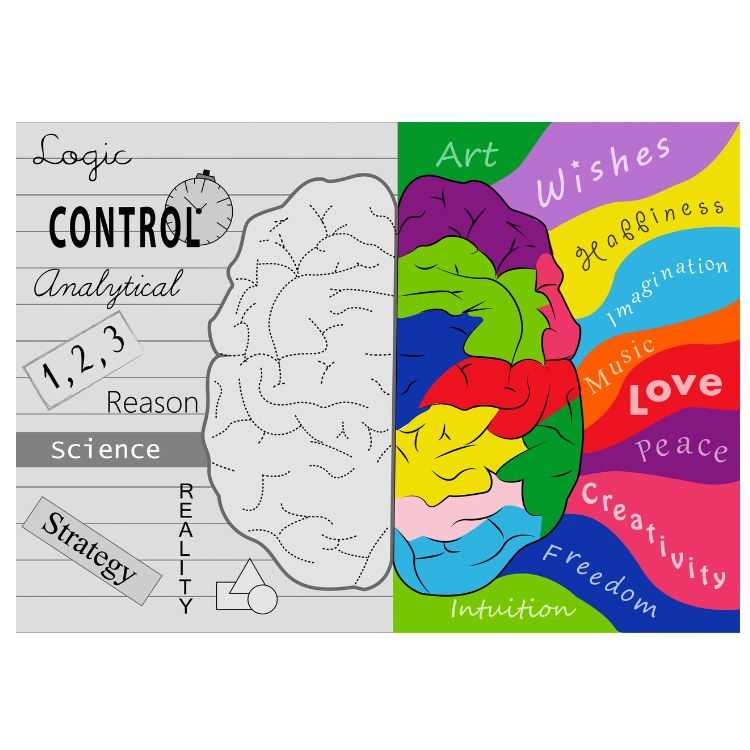
ADHD can affect more than productivity
ADHD doesn't just affect schoolwork or getting things done. It can also influence relationships and emotional well-being.
Someone may forget an important date, interrupt during conversations, struggle to respond to messages, or have difficulty following through on plans. Even when these behaviors are unintentional, they can sometimes create tension or misunderstandings.
Over time, people with ADHD may also develop a lot of negative self-talk. After years of hearing that they are "lazy," "careless," "unmotivated," or "not living up to their potential," it can be difficult to separate those messages from their own understanding of themselves.
Therapy can provide a space to explore these experiences without judgment and develop a more compassionate and realistic understanding of how ADHD affects you.
Strategies that can help
There is no single strategy that works for everyone with ADHD. Often, the goal is not to force yourself to function exactly like someone without ADHD, but to find systems and supports that work with the way your brain operates.
Some strategies that may be helpful include:
Make tasks smaller. Instead of focusing on everything that needs to get done, identify the very first step. "Open the document" can feel much more manageable than "finish the project."
Externalize reminders. Calendars, alarms, written lists, visual cues, and other reminders can reduce the need to keep everything in your head.
Build routines around existing habits. Connecting a new behavior to something you already do can make it easier to remember and maintain.
Reduce unnecessary distractions. Creating an environment that makes it easier to focus can be more effective than relying entirely on willpower.
Use accountability. Working alongside another person, checking in with someone, or sharing a goal can provide helpful structure.
Practice self-compassion. Struggling with executive functioning does not mean that you are lazy or incapable. Understanding the challenges you are experiencing can make it easier to find strategies that actually work.
How therapy can help

Therapy for ADHD can look different depending on the person's needs and goals. For some people, therapy may focus on organization, time management, emotional regulation, or developing practical strategies for everyday life. For others, it may involve addressing anxiety, depression, relationship difficulties, low self-esteem, or years of frustration related to living with ADHD.
Therapy can also be a place to explore the question, "What do I need in order to function well?" rather than focusing only on what feels difficult or what you think you "should" be able to do.
Finding Support at The Village 🌿
Understanding ADHD is an important step toward finding strategies, support, and a little more compassion for yourself or someone you love.
About the Authors
Lindsey Ehrenwerth Herman, LCSW, is a Licensed Clinical Social Worker offering in-person therapy at The Village's Shaler and West End locations, as well as teletherapy.
Kiler Wilson, LPC, CCTP, is a Licensed Professional Counselor and Certified Clinical Trauma Professional, also certified as a Breathe to Heal Facilitator. She offers in-person therapy at our Shaler location and teletherapy.
If you or someone you love is navigating the challenges of ADHD, you don't have to figure it all out alone. The Village offers a welcoming, supportive space to explore your experiences and find approaches that work for you.
Interested in connecting with Lindsey or Kiler?
Visit our Staff Page to learn more about their backgrounds and approaches to therapy, or contact The Village to inquire about scheduling an appointment.
📞 412-455-6890